From mapping elements to precision Galactic Archaeology
Over the past decade, the original GALAH survey measured the chemical fingerprints of nearly one million stars and transformed our view of the Milky Way. These observations revealed how stellar populations trace the Galaxy’s structure, mergers, and enrichment history.
GALAH 2 takes the next step.
Rather than increasing sample size alone, GALAH 2 focuses on extracting the full physical information contained in stellar spectra. By combining high signal-to-noise multiplex observations with ultra-high-precision benchmark spectroscopy, GALAH 2 establishes a calibration framework that enables abundance measurements precise enough to identify stellar birth environments, trace merger debris, and connect stellar physics with galaxy evolution across the Hertzsprung–Russell diagram.
This marks a transition from mapping elemental abundance trends to reconstructing the formation history of the Milky Way with precision Galactic Archaeology.
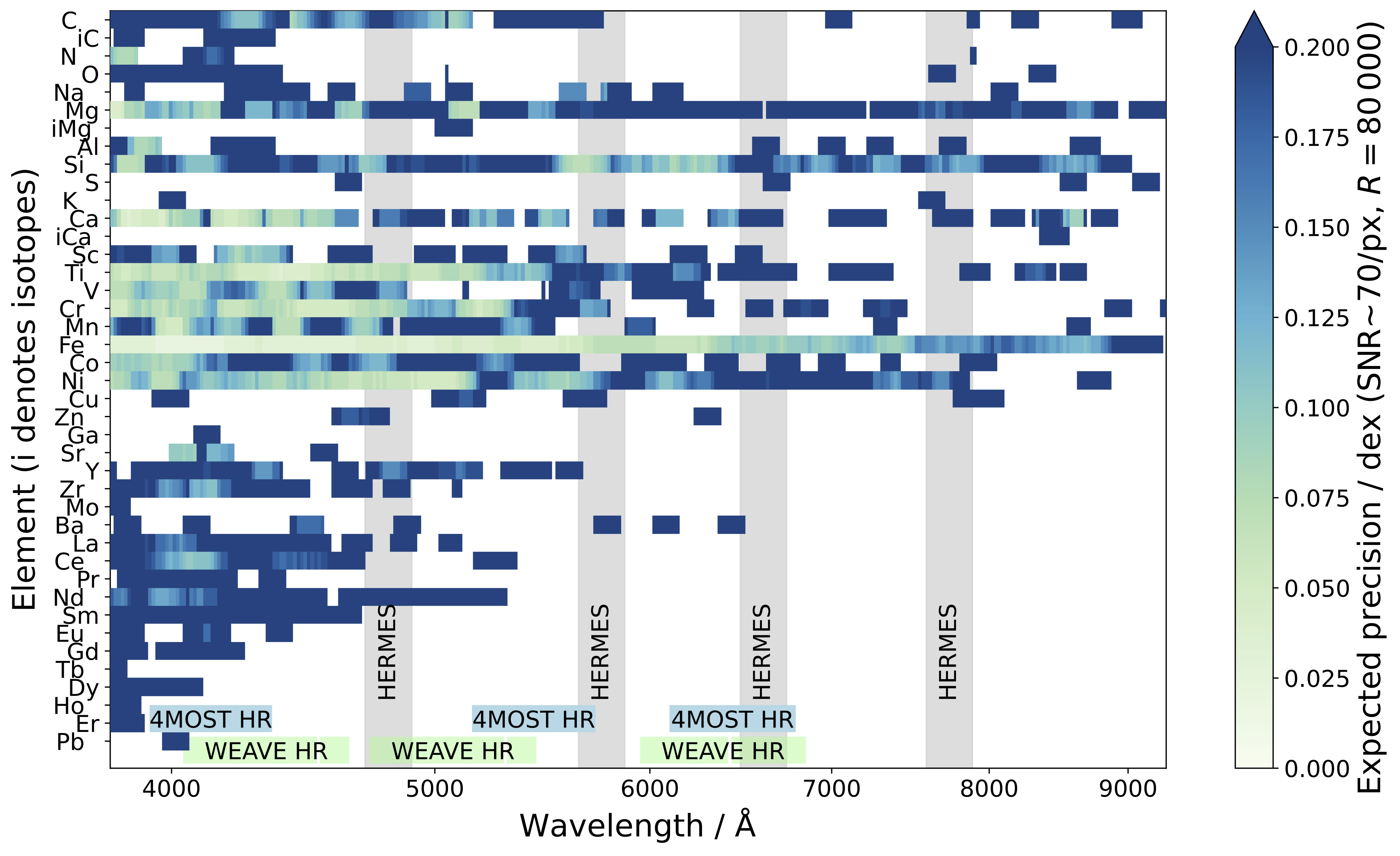
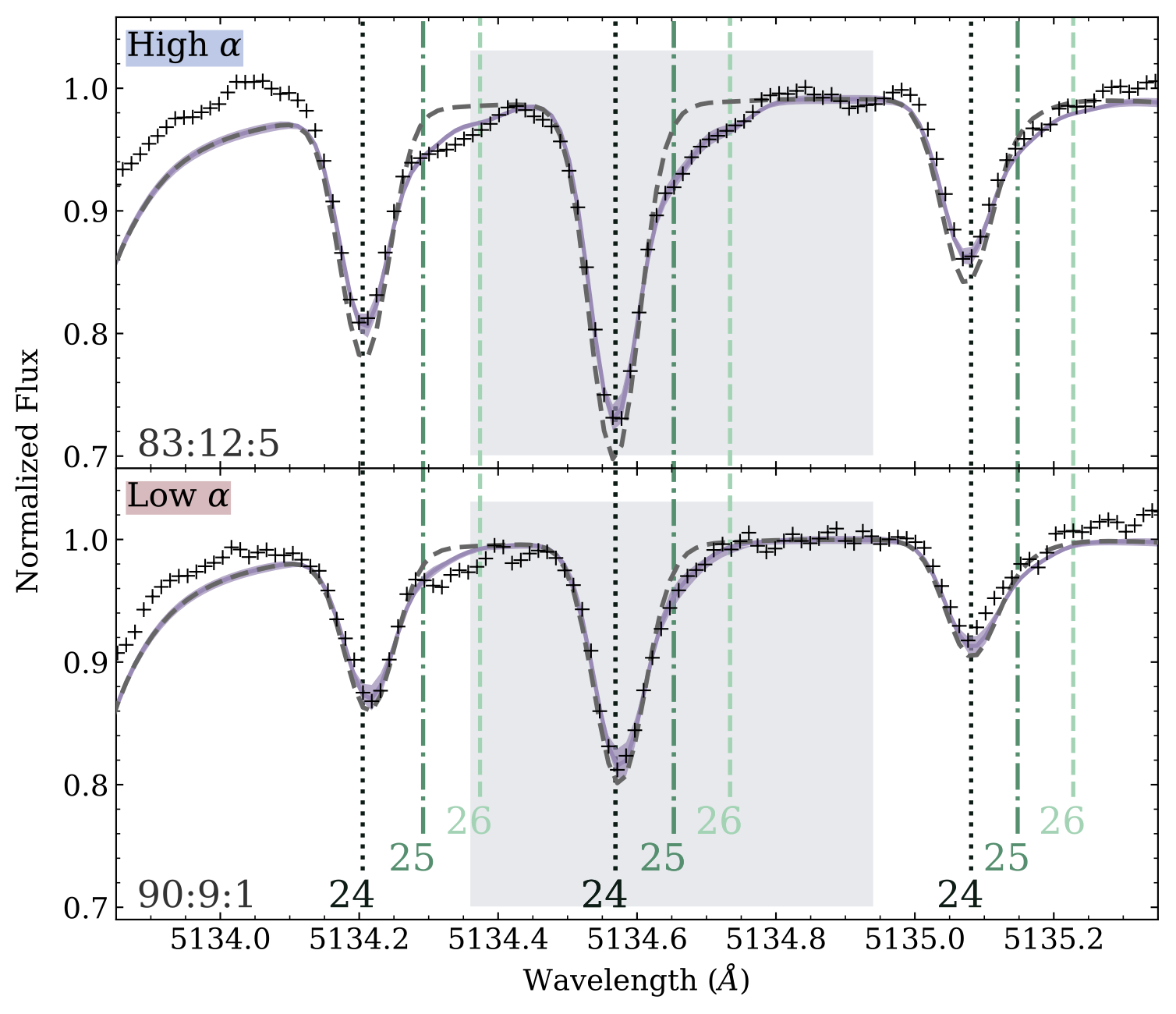
The significantly larger wavelength coverage and higher precision achieved with GALAH 2 will allow us to extract more elements and the smallest changes among them, such as isotope ratios (Figure Credits: Sven Buder and Thomas Nordlander as well as McKenzie et al. 2024).
Observational strategy
GALAH 2 combines two complementary observing modes at the Anglo-Australian Telescope.
High signal-to-noise multi-object spectroscopy with HERMES (≈350 stars per field, R≈30,000) extends the legacy GALAH dataset while improving abundance precision across stellar populations.
Ultra-high-resolution spectroscopy with Veloce (390–950 nm, R≈80,000) provides the calibration backbone required to establish internally consistent abundance scales across the Hertzsprung–Russell diagram through benchmark stars, stellar twins, and targeted reference samples.
Together, these observations transform GALAH from a population-mapping survey into a precision spectroscopic framework for Galactic Archaeology.
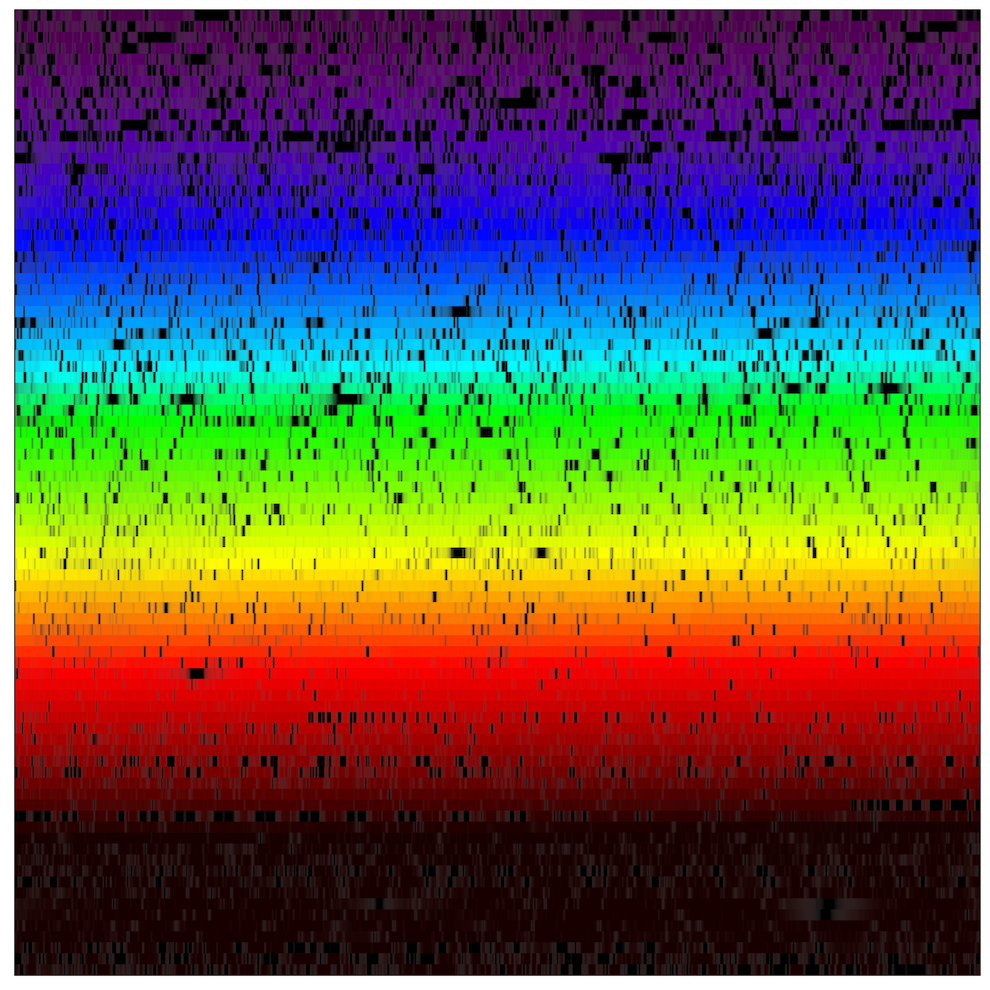
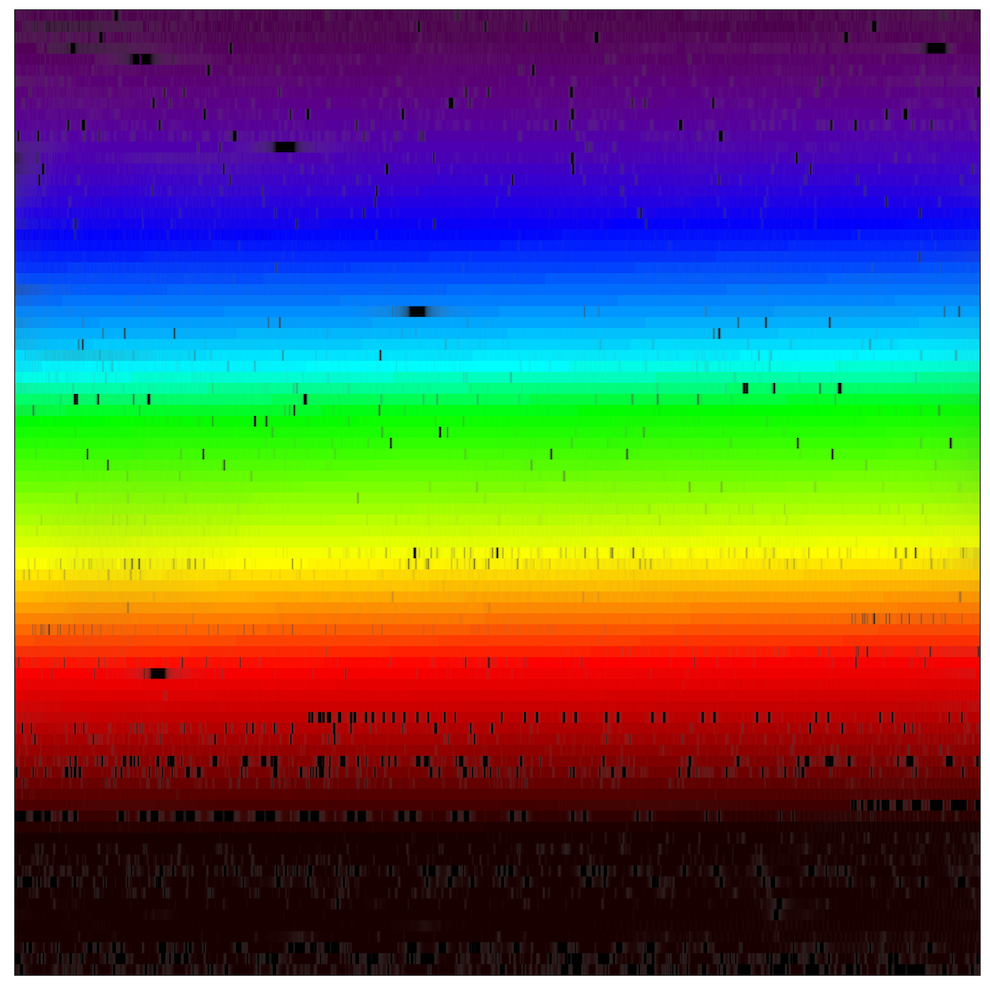
High-resolution Veloce spectra illustrating the information content accessible beyond multiplex survey spectroscopy (Figure Credit: Sven Buder).
Science enabled by GALAH 2
By improving both spectral precision and calibration consistency, GALAH 2 enables a new generation of Galactic Archaeology measurements:
- probing subtle changes in abundance patterns through differential analyses of stellar twins across different metallicity regimes
- establishing reference abundance scales across stellar types and spectroscopic surveys
- connecting stellar surface abundances directly with models of stellar evolution
- tracing enrichment patterns as a function of stellar orbits, from light elements to the heaviest nucleosynthetic products
- reconstructing the chemical signatures of smaller galaxies whose stars were later accreted into the Milky Way
Rather than identifying population trends alone, GALAH 2 enables reconstruction of individual formation pathways across the Galaxy.
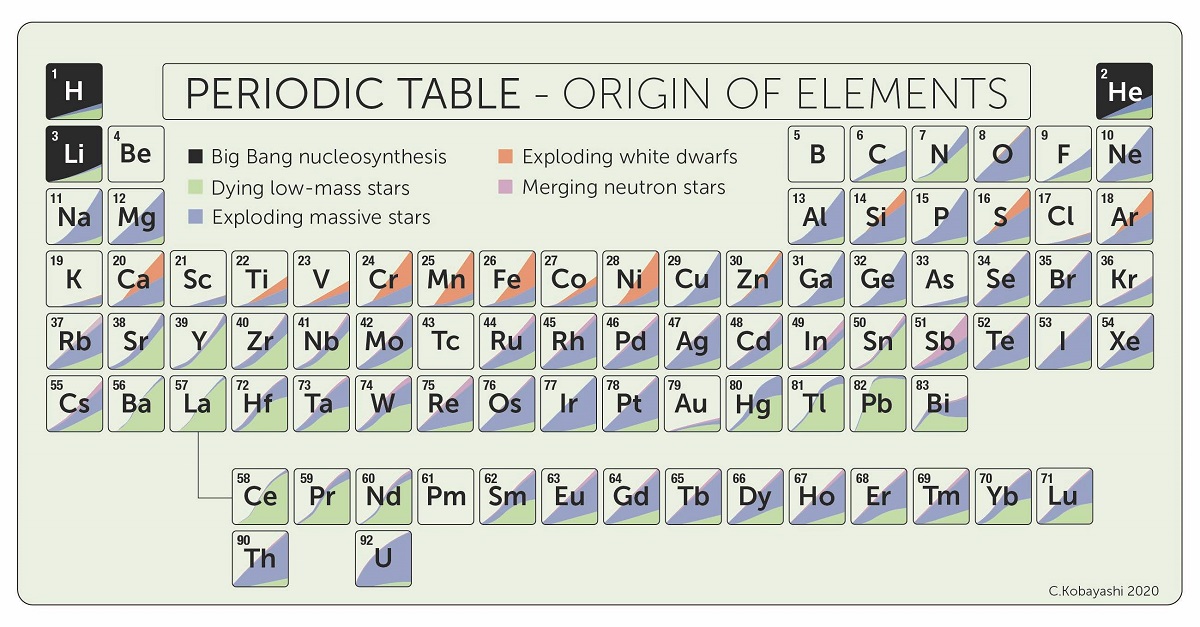
The periodic table with each element showing the contribution of enrichment sources across cosmic time (Figure Credit: Kobayashi, Karakas, and Lugaro 2020).
Current status
Observations with the Veloce spectrograph are already underway, and the first several hundred spectra have been reduced and are being analysed. These data form the foundation of the precision calibration framework that underpins GALAH 2, while additional HERMES observations continue to expand the calibration network across stellar evolutionary phases and Galactic populations.
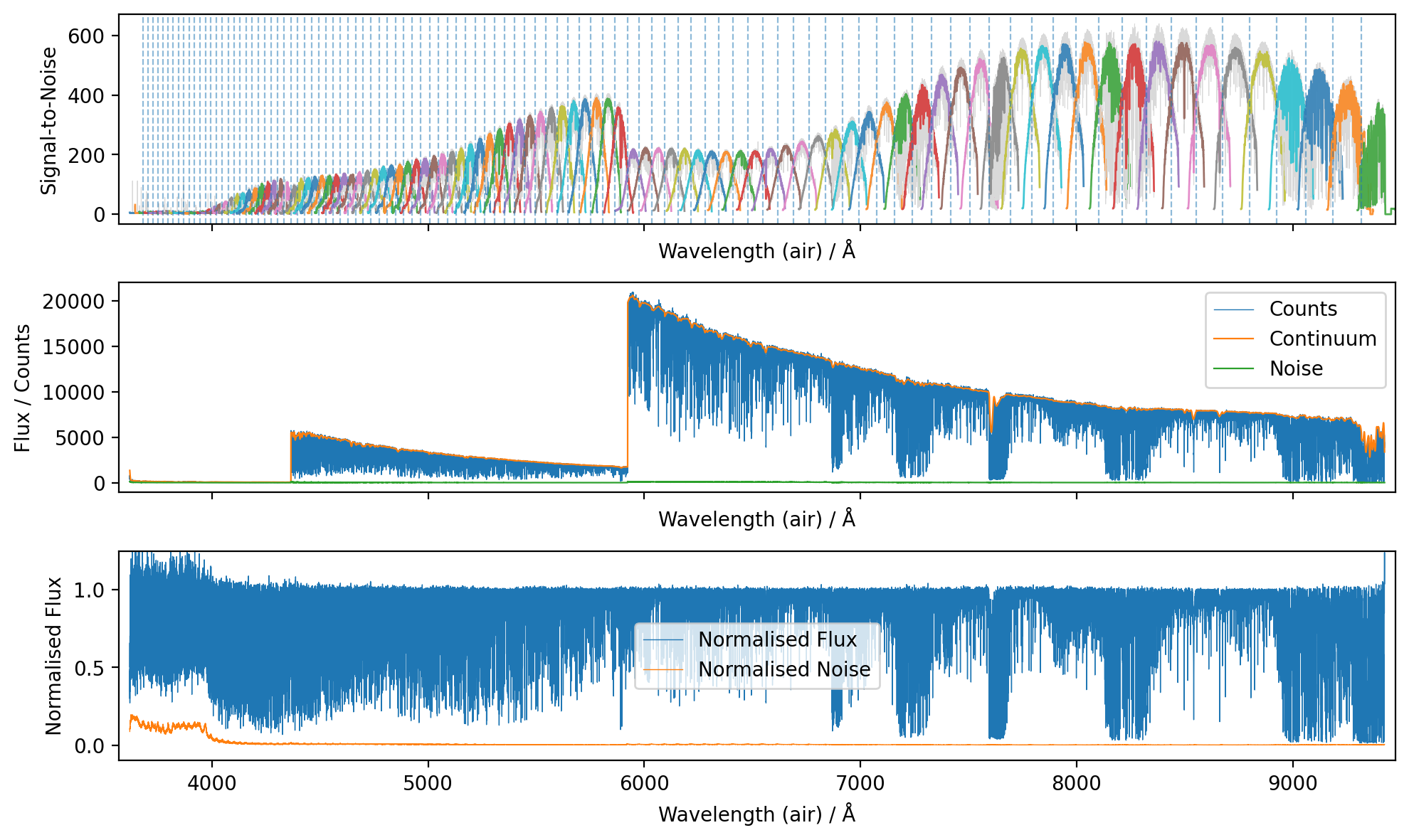
Quality of the Veloce spectra across the wavelength range of 360nm to 940 nm (Figure Credit: Sven Buder).